
YARD DEBRIS REMOVAL TRUCKEE, CA
Yard Debris Removal Truckee Services
Yard debris removal Truckee services for homes and properties throughout Truckee and North Lake Tahoe, including branches, brush piles, slash, pine needles, and other agreed green debris. Call today for a fast, free estimate.
- Licensed & Insured
- Locally Owned
- Serving Since 2016
Get Your Free Quote
By submitting this form, you agree to our Terms of Use including consent to receive calls regarding your free estimate.
Yard debris has a way of accumulating after every other outdoor project. A homeowner cuts brush, a contractor trims vegetation, winter drops branches, spring cleanup fills bags, or a previous owner leaves slash stacked at the edge of the lot. Tahoe Defensible Space provides yard debris removal in Truckee and North Lake Tahoe for normal green-waste material that can be safely loaded and hauled from the property.
This service is designed for branches, brush, smaller cut vegetation, pine needles, cones, leaves, slash, bagged or contained yard waste, and similar cleanup material. If the debris still needs to be cut or gathered, we can combine removal with yard cleanup or brush clearing. If the property has broader overgrowth rather than a defined pile, lot and property clearing may be the better starting point.
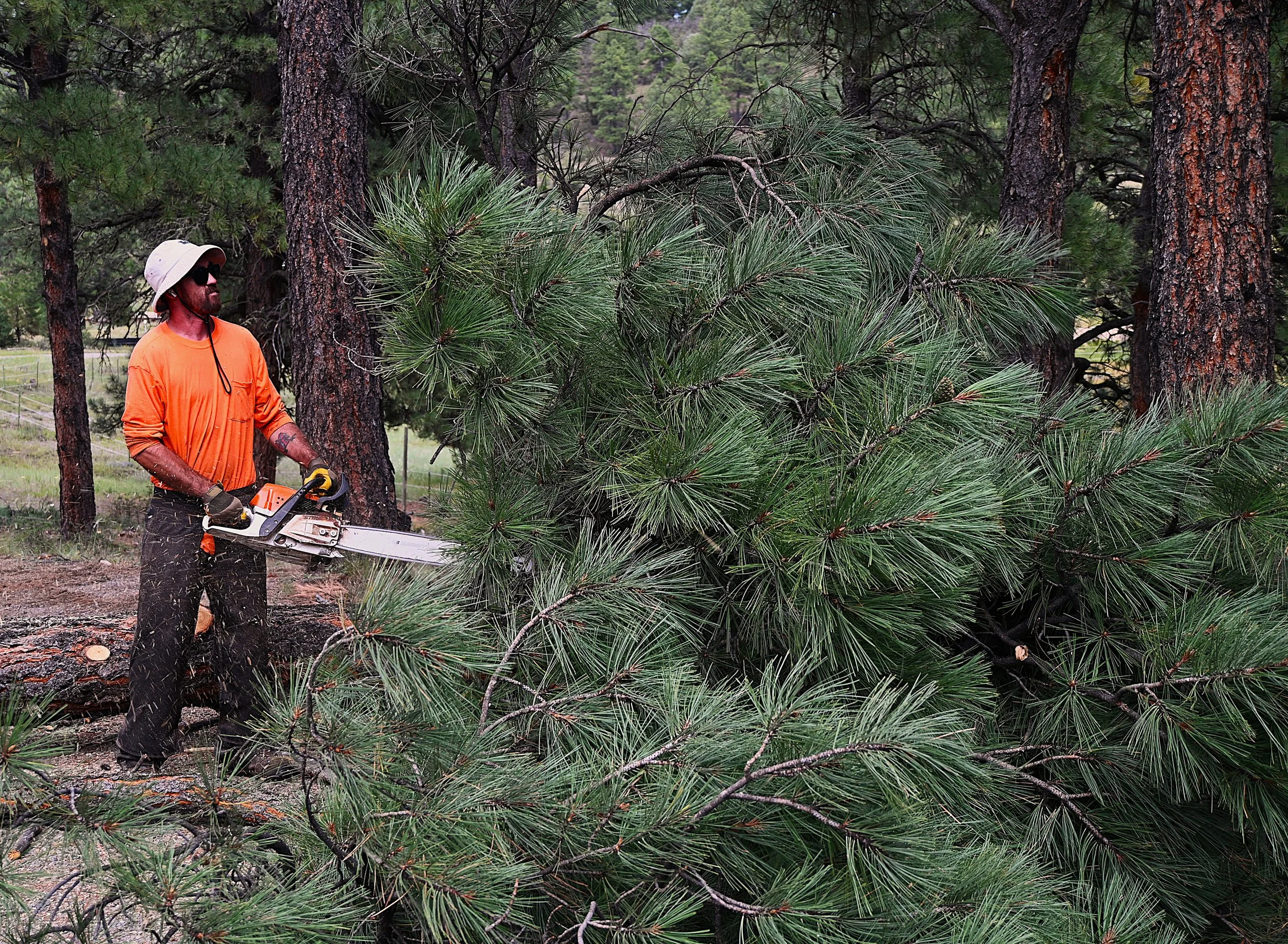
Removing Piles and Loose Green Debris
The simplest debris-removal jobs have material already gathered near a driveway or loading area. Even then, photos are useful because a loose brush pile can contain much more volume than it appears to from one angle. Send a wide photo, an approximate length and height, and a picture showing how close a truck or trailer can get. That information lets us estimate loading time and hauling volume more accurately.
Loose material spread around the yard is a different scope. Needles in beds, branches across a slope, and brush scattered behind the home require collection before loading. We can include that labor, but it should be identified as cleanup rather than priced like a ready-to-load pile.
We focus on ordinary landscape and defensible-space debris. If a pile includes construction material, household junk, soil, concrete, treated wood, unknown chemicals, or other non-green waste, tell us before scheduling so the disposal requirements can be evaluated separately.
Branches, Brush, Slash, and Seasonal Material
Branches and brush take up space because of air between stems, not because they are especially heavy. Slash can be tangled and difficult to compact by hand, while bagged needles and leaves are denser and faster to load. A mixed pile may therefore require a different hauling plan than an equal-sized pile of bagged yard waste.
Old material can also be harder to handle. Brush that has sat through snow may be compressed, partially buried, or intertwined with new growth. Needles can collect underneath the pile, and small branches may break apart during loading. We include reasonable cleanup around the pile when it is part of the agreed service, but heavily embedded or overgrown debris may need to be quoted as a clearing project.
For customers doing wildfire-preparation work, CAL FIRE provides general defensible-space information for California properties. Debris removal is one practical piece of that work, but official compliance depends on the standards and inspection requirements that apply to the specific property.
For yard debris removal, the most useful estimate is built from the condition of the property rather than a generic package. Photos should show the full work area, the route to the street or driveway, and any obstacles that affect access. If there are several separate work zones, identify them individually so the scope can explain which areas are included and which are optional.
For yard debris removal, the most useful estimate is built from the condition of the property rather than a generic package. Photos should show the full work area, the route to the street or driveway, and any obstacles that affect access. If there are several separate work zones, identify them individually so the scope can explain which areas are included and which are optional.
Loading Access and Debris Volume
Access determines how much of the job is loading versus carrying. A pile beside a flat driveway can be moved efficiently. The same volume downhill behind a cabin, through a gate, up stairs, or across a long wooded lot requires much more labor before anything reaches the truck. Narrow roads and limited parking can also affect where the hauling vehicle can stage.
When the debris is in several places, we may establish a collection route through the property. That can be useful after brush clearing or seasonal cleanup because material can be gathered by zone and moved toward one loading point. Customers should point out irrigation, landscape features, fragile paths, or areas where equipment should not travel.
If access is uncertain, a quick site visit is usually more accurate than trying to estimate only from pile dimensions. Photos should include the route to the pile as well as the pile itself.
Before work begins, owners should point out irrigation, landscape lighting, buried pet fencing, utilities, fragile plantings, gates, and any area that should remain untouched. That site information is especially important on mountain properties where vegetation can hide features from view. A clear walkthrough reduces rework and lets the crew focus on the agreed yard debris removal tasks.
Before work begins, owners should point out irrigation, landscape lighting, buried pet fencing, utilities, fragile plantings, gates, and any area that should remain untouched. That site information is especially important on mountain properties where vegetation can hide features from view. A clear walkthrough reduces rework and lets the crew focus on the agreed yard debris removal tasks.
Debris Removal After Clearing or Cleanup
Debris removal is commonly the final phase of defensible space services, brush clearing, pine needle cleanup, or general yard maintenance. Building haul-away into the original scope is usually easier than creating piles and arranging removal later. It also lets the crew plan where cut material should be staged as the job progresses.
If another contractor is doing the cutting, ask them to place material where it can be reached safely without blocking the road or driveway. Long branches, tangled slash, or material stacked against fences can slow loading. A clean, accessible pile generally costs less to remove than the same material spread across the property.
We can also remove pre-existing green debris when no cutting is required. The estimate will state whether the service is loading only, loading plus light cleanup, or a combined cleanup and haul-away project.
The final condition should also be agreed in advance. Natural wooded ground may receive a practical cleanup while maintained areas near the home receive more detailed raking and collection. Haul-away, on-site consolidation, and any pre-existing debris piles should be stated in the estimate. Defining the finish keeps yard debris removal from turning into an open-ended cleanup request.
The final condition should also be agreed in advance. Natural wooded ground may receive a practical cleanup while maintained areas near the home receive more detailed raking and collection. Haul-away, on-site consolidation, and any pre-existing debris piles should be stated in the estimate. Defining the finish keeps yard debris removal from turning into an open-ended cleanup request.
Pricing and Preparing for Pickup
Pricing is based on debris volume, material type, access, loading labor, travel, and disposal. Photos are the fastest starting point. Include something for scale, show the entire pile, and tell us whether there are additional piles elsewhere on the property. If material is bagged, an approximate bag count is useful. If it is loose brush, dimensions and several angles are better.
Do not add new material after the estimate without letting us know. A pile can double quickly after another day of pruning, and the original hauling plan may no longer fit. If the volume changes, send updated photos before the scheduled date so we can adjust equipment or pricing rather than discovering the difference on arrival.
Free estimates are available throughout Truckee and North Lake Tahoe. If the debris must be gone before a sale, inspection, guest arrival, or contractor start date, include that deadline in the request.
Remote owners can make the process easier by sending recent photos and noting any access code, property-management contact, or scheduling restriction before the estimate. If the work is being completed for an inspection, transaction, guest arrival, or another contractor, share the target date. We can then prioritize the most important yard debris removal items and explain what can realistically be completed in that window.
Related Clearing and Cleanup Services
If the material has not yet been cut or gathered, brush clearing or yard cleanup may be the better service. For larger areas of neglected vegetation, lot and property clearing can combine cutting, gathering, and debris handling in one plan.
Large tree sections, technical tree removal, and hazardous tree work are outside our normal yard-debris scope. When a project primarily involves mature trees, we can direct the tree work to a dedicated tree-service provider.
Call (530) 270-4319 or send photos for a free yard debris removal estimate.
Conditions can change between estimate and service. New storm debris, additional cutting by another contractor, parked vehicles, snow piles, or a larger debris volume can affect production. If the property changes materially, updated photos help us adjust the plan before arrival. That is preferable to discovering that the approved scope no longer matches the site once the crew is already there.
Professional yard debris removal for Truckee and North Lake Tahoe properties, with clear scopes, free estimates, and cleanup planned around the site.
Service Areas: Truckee & North Lake Tahoe
Let's get started.
Frequently Asked Questions About Yard Debris Removal
What yard debris can you remove?
Common material includes branches, pine needles, leaves, cones, brush, slash, and other non-hazardous vegetation debris generated by property cleanup.
Do I need to bag the debris first?
Not necessarily. Whether material should be bagged, piled, or left in place for the crew depends on volume and access. Photos help us recommend the most efficient setup before the visit.
Can debris removal be added after brush clearing?
Yes. Brush clearing and haul-away can be included in one scope so cut material is removed rather than left on the property.
What affects debris-removal pricing?
Volume, weight, material type, slope, carry distance, truck or trailer access, loading time, and disposal requirements all affect the estimate.